

Best Nose Strips for Snoring: What Should You Look For?
The right nose strip should provide comfortable external support, remain secure through the night and suit your skin, nose shape and preferred level of lift. This guide compares the main options and explains when nose strips may—or may not—help with snoring.
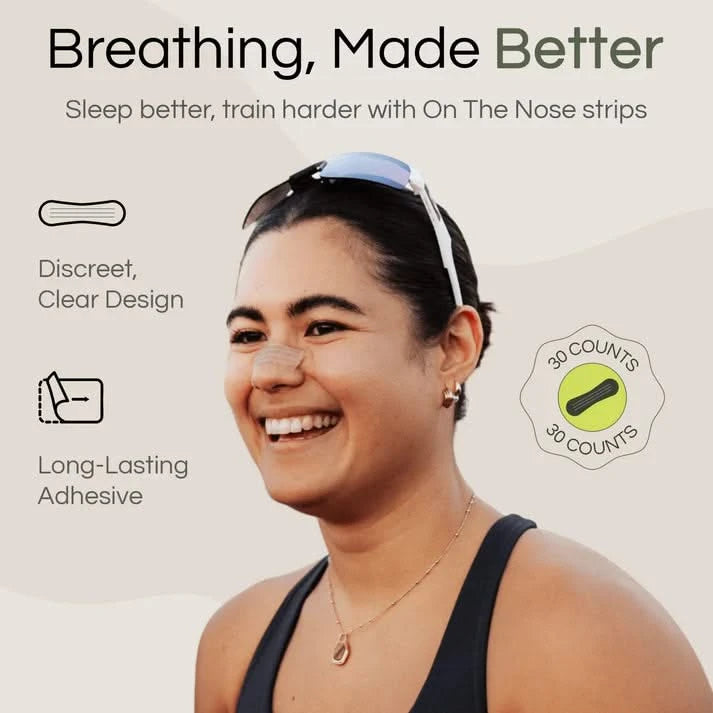
The best nose strips for snoring are comfortable, correctly sized and strong enough to support the outer nasal walls without irritating the skin. Clear strips may suit everyday or sensitive-skin use, stronger woven strips may suit people wanting additional hold, and magnetic systems may suit those who prefer a reusable bridge with smaller adhesive tabs. Nose strips are most relevant when restricted nasal airflow contributes to snoring.
What makes a good nose strip for snoring?
A nose strip is an external nasal dilator. It attaches across the nose and uses flexible bands or an external lifting system to support the tissue around the nostrils and nasal-valve area.
A good strip should create noticeable but comfortable support. It should also remain attached during normal movement, humidity and overnight wear without feeling excessively tight.
Because snoring has many possible causes, the strongest strip is not automatically the best choice for every person. The most suitable option depends on your skin, nose shape, degree of nasal restriction and how much external support feels comfortable.
Important: nose strips may be useful when restricted nasal airflow contributes to snoring. They cannot prevent every type of snoring because the sound may originate from the throat, tongue, soft palate or another part of the upper airway.
Best nose-strip options for snoring
These options are designed for different preferences rather than being ranked solely by strength. The right choice is the one that provides secure, comfortable support for your individual nose and skin.
On The Nose Co. Nose Strips for Snoring & Sleep
A dedicated sleep option designed to gently lift the sides of the nose and support more comfortable nasal airflow throughout the night. This is the most direct choice for people specifically shopping for external nasal support as part of a snoring or bedtime routine.
Explore Nose Strips for Snoring & Sleep →On The Nose Co. Clear Nose Strips
Clear strips provide a discreet external option and may suit people who want a simple strip for sleep, travel or everyday nasal support. Correct sizing and clean, dry skin remain important for a secure overnight fit.
Explore Clear Nose Strips →On The Nose Co. Active & Sleep Nose Strips
A versatile option for people who want one strip type across sleep, exercise and everyday routines. These strips externally support the nasal walls while they are in place and can be used for up to 12 hours.
Explore Active & Sleep Nose Strips →On The Nose Co. Magnetic Nasal Strips
This system uses two replaceable adhesive side tabs connected by a reusable magnetic bridge. It may suit people who want an alternative to a full-width adhesive strip across the bridge of the nose.
Explore Magnetic Nasal Strips →Nose strips for snoring: quick comparison
| Option | Best suited to | Format | Main advantage |
|---|---|---|---|
| Snoring & Sleep Strips | Dedicated bedtime use | Single-use external strip | Purpose-built sleep positioning |
| Clear Nose Strips | Discreet everyday wear | Single-use clear strip | Less visible appearance |
| Active & Sleep Strips | Sleep, sport and daily routines | Single-use external strip | One versatile option |
| Magnetic Nasal Strips | Reusable-system preference | Reusable bridge with replaceable tabs | Smaller adhesive contact area |
Product experiences vary. A strip that feels ideal on one nose may feel too strong, too light or incorrectly shaped on another. A short trial across several nights is often more useful than judging the result from a single application.
How can nose strips help with snoring?
Nose strips work mechanically. When the strip is applied correctly, its flexible bands attempt to return to their original shape. This creates a gentle lifting force across the outside of the nose.
The support may reduce inward movement around the nasal entrance and make the front of the nasal passages feel more open. This can be particularly relevant for people who notice that their nostrils narrow during inhalation or who experience front-of-nose restriction when lying down.
Read the full science overview: Do Nose Strips Actually Work? The Science Explained .
Why improving nasal airflow may affect snoring
Snoring occurs when tissues in the upper airway vibrate as air moves through a narrowed passage during sleep. When nasal resistance is part of that restriction, external nasal support may make breathing through the nose feel easier for some people.
However, opening the nose cannot directly prevent vibration deeper in the throat. This is why someone with nasal congestion may notice a more meaningful difference than someone whose snoring mainly comes from tongue position or throat narrowing.
For a more complete explanation, read The Complete Guide to Snoring .
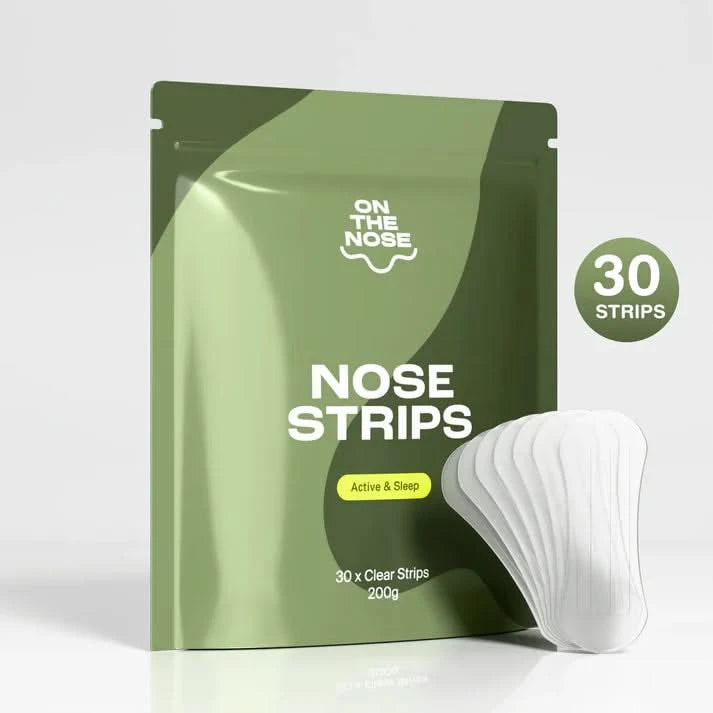
What should you look for when choosing nose strips?
Are stronger nose strips always better?
No. Additional lifting force may suit some nose shapes, but stronger is not automatically more effective. Excessive tension may feel uncomfortable or increase skin pulling without addressing the true source of snoring.
Begin with comfortable support. Move to a stronger format only when the lighter option does not provide enough external lift and your skin tolerates adhesive products well.
Who may benefit most from nose strips for snoring?
People with nasal restriction
You may notice a difference when congestion or narrowing near the nostrils contributes to difficult nasal breathing.
People whose nose feels worse lying down
Body position may make existing nasal swelling or narrowing feel more noticeable after getting into bed.
People with nasal-valve narrowing
External support may be relevant when the sides of the nose move inward during inhalation.
People wanting a drug-free option
Nose strips provide external mechanical support without medication or nasal sprays.
Night-time blockage can also be influenced by allergies, dry air, infections, sleep position or structural narrowing. Explore Why Is My Nose Blocked When I Lie Down? for a more detailed explanation.
People who regularly struggle with nasal breathing may also find practical guidance in How to Breathe Better Through Your Nose .
Explore Nose Strips Designed for Sleep
On The Nose Co. Nose Strips for Snoring & Sleep are drug-free external strips designed to gently lift the sides of the nose and support more comfortable nasal airflow throughout the night.
Shop Snoring & Sleep Nose StripsHow to apply a nose strip so it stays on all night
- Wash the nose to remove oil, sweat, makeup, sunscreen and skincare.
- Dry the skin completely before opening the strip.
- Position the strip across the lower bridge, above the flare of the nostrils rather than too high on the nose.
- Press the centre first, then smooth each side firmly against the skin.
- Hold the strip in place briefly to help activate the adhesive.
- Remove it slowly in the morning, using warm water when needed.
Common application mistakes
- Applying over moisturiser, facial oil or damp skin.
- Placing the strip too high on the nasal bridge.
- Choosing a size that does not match the width of the nose.
- Repeatedly repositioning the same adhesive strip.
- Removing the strip quickly from dry or sensitive skin.
How quickly should nose strips work?
The mechanical effect occurs while the strip is correctly attached. You should be able to assess whether the front of your nose feels more supported shortly after applying it.
Evaluating snoring may take longer because snoring can change from one night to another. Sleep position, alcohol, illness, allergies, fatigue and congestion can all influence the result.
Consider testing the same correctly fitted strip for several nights under similar conditions. Feedback from a bed partner or a simple snoring recording may provide more useful information than relying on how you feel immediately after waking.
Clear, woven or magnetic: which format should you choose?
| Format | Why choose it? | Considerations |
|---|---|---|
| Clear adhesive strip | Discreet, simple and suitable for everyday routines | Single-use and requires clean, dry skin |
| Stronger woven strip | May provide additional hold or lifting support | May feel stronger on sensitive skin |
| Magnetic nasal system | Reusable bridge with smaller replaceable side tabs | Requires correct placement of two separate tabs |
A reusable magnetic bridge does not mean that the adhesive tabs are reusable. Fresh tabs are normally required for each application. Learn more on the On The Nose Co. Magnetic Nasal Strips page.
Can nose strips treat sleep apnoea?
No. Nose strips are not treatments for obstructive sleep apnoea. They can externally support the nose, but sleep apnoea generally involves repeated narrowing or collapse elsewhere in the upper airway during sleep.
Speak with a healthcare professional if you notice:
- Breathing pauses witnessed by another person.
- Choking, gasping or snorting during sleep.
- Loud, persistent or worsening snoring.
- Morning headaches or waking with severe dry mouth.
- Significant daytime tiredness or difficulty staying awake.
- Poor concentration despite spending enough time in bed.
- High blood pressure alongside regular snoring.
Reducing the sound of snoring does not confirm that breathing during sleep is healthy or that sleep apnoea is absent.
You can also use the educational On The Nose Co. Snoring Risk Calculator . It cannot diagnose a sleep disorder, but it may help you identify symptoms worth discussing with a healthcare professional.
The final verdict
The best nose strip for snoring is not simply the strongest product. It should fit your nose correctly, provide comfortable external support, remain attached throughout the night and suit your skin.
On The Nose Co. Nose Strips for Snoring & Sleep are the most direct option for a dedicated bedtime routine. Clear strips provide a discreet alternative, Active & Sleep strips offer versatility, and Magnetic Nasal Strips provide a reusable-bridge format with smaller adhesive tabs.
Nose strips are most likely to be relevant when nasal restriction contributes to snoring. Persistent or concerning snoring should still be professionally assessed because external nasal support cannot address every cause.
Frequently asked questions
What are the best nose strips for snoring?
The best option is correctly sized, comfortable, secure overnight and strong enough to support the outer nasal walls. The ideal format depends on your nose shape, skin and preferred level of lift.
Do nose strips actually stop snoring?
They may reduce snoring for some people when restricted nasal airflow contributes to the sound. They will not address snoring that mainly originates from the throat, tongue or another part of the airway.
Are stronger nose strips better for snoring?
Not necessarily. A stronger strip may provide more external lift, but comfort, fit and the location of the restriction are equally important.
Can I wear a nose strip every night?
Many people use external nose strips regularly when their skin tolerates them. Follow the directions, apply to healthy skin and stop use if irritation develops.
How long can I wear a nose strip?
Follow the directions for the specific product. On The Nose Co. sleep and active strips are designed for up to 12 hours of wear.
Why does my nose strip fall off during sleep?
Oil, sweat, skincare, moisture, incorrect placement or repeated repositioning can weaken the adhesive. Clean and dry the skin thoroughly before applying a fresh strip.
Can nose strips help a blocked nose at night?
They may support airflow near the front of the nose, but they cannot remove mucus or treat allergy inflammation, infection or every structural cause of blockage.
Are magnetic nose strips reusable?
The magnetic bridge is reusable, but fresh adhesive side tabs are used for each application.
Can I reuse a standard adhesive nose strip?
Standard adhesive nose strips are generally designed for one application. Reusing one may provide unreliable adhesion and reduced support.
Can nose strips help with a deviated septum?
Some people may notice temporary external support, but a strip cannot straighten a deviated septum. Persistent obstruction should be medically assessed.
Do nose strips treat sleep apnoea?
No. Nose strips do not treat obstructive sleep apnoea. Symptoms such as breathing pauses, gasping and significant daytime tiredness require professional assessment.
Can nose strips be used with CPAP?
Some CPAP users may use external nasal strips, but compatibility depends on the mask style and individual treatment plan. Ask your sleep clinician or equipment provider before changing your setup.
Are nose strips suitable for sensitive skin?
Skin responses vary. Patch-test when appropriate, avoid damaged skin and remove the strip slowly. Stop use if redness or irritation persists.
How do I know whether my snoring comes from my nose?
Nasal restriction may be involved when you regularly feel blocked, struggle to breathe through the nose or notice your nostrils narrowing during inhalation. Snoring can still have more than one cause.
Should persistent snoring be checked by a doctor?
Yes, particularly when snoring is loud, worsening or associated with breathing pauses, choking, morning headaches or daytime sleepiness.
References
- Camacho M, et al. Nasal dilators for snoring and obstructive sleep apnoea: systematic review and meta-analysis. View published research .
- Dinardi RR, et al. External nasal dilators: definition, background and current uses. View published review .
- Cleveland Clinic. Nose anatomy, functions and related conditions. View clinical information .