

How to Breathe Better Through Your Nose Naturally
Better nasal breathing begins with understanding why your nose feels restricted. These practical steps can help you manage common triggers, improve breathing awareness and make nasal airflow feel more comfortable.
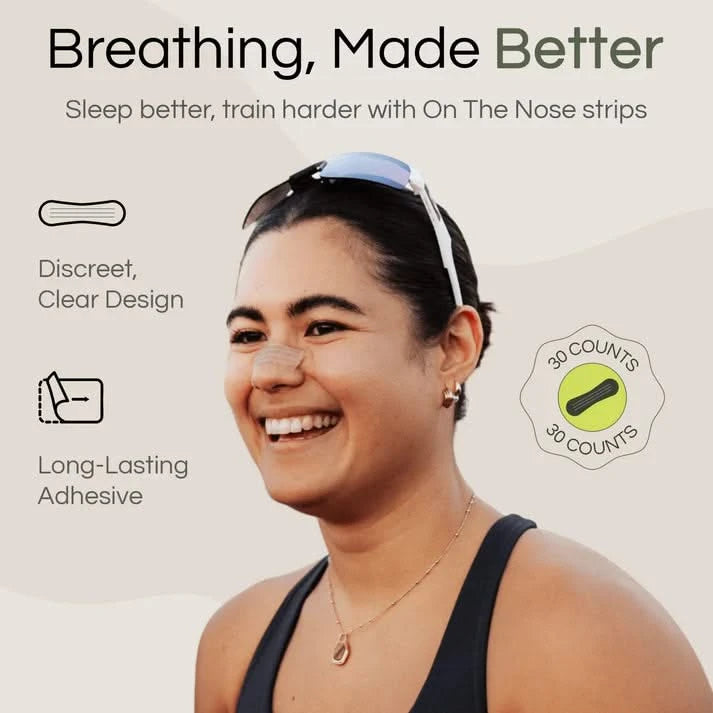
To breathe better through your nose, identify and manage congestion, practise slow nasal breathing while relaxed, improve your sleeping environment, consider saline for mucus or irritants and address allergies appropriately. External nose strips may support the front of the nasal passages, but persistent obstruction should be assessed by a healthcare professional.
Why is breathing through your nose important?
Your nose is more than an entrance for air. The nasal passages help filter particles, warm incoming air and add moisture before it travels towards the lungs.
Small hair-like structures and mucus inside the nose help trap dust, pollen and other airborne material. The shape and blood supply of the nasal passages also help condition the air before it reaches the lower respiratory system.
Filters incoming air
Nasal hairs, mucus and cilia help trap particles before they travel deeper into the respiratory tract.
Warms and humidifies
The nasal passages help warm and add moisture to inhaled air, reducing the amount of cold, dry air reaching the throat.
Regulates airflow
The nose naturally creates resistance that can encourage slower, more controlled breathing while you are resting.
Nasal breathing also carries nitric oxide produced in the nose and sinuses into the inhaled airflow. Nitric oxide has physiological roles in airway regulation and defence, although this does not mean nasal breathing should be treated as a cure for medical conditions.
The aim is not to force nasal breathing at all costs. Comfortable nasal breathing is useful at rest and during lower exercise intensities, but mouth breathing can be a normal response during hard exercise or when your nose is temporarily blocked.
Why might it feel difficult to breathe through your nose?
Difficulty breathing through the nose can come from temporary swelling, mucus, environmental irritation or the physical structure of the nasal passages.
| Possible cause | Common clues | What may help |
|---|---|---|
| Cold or viral illness | Mucus, sore throat, cough or recent illness | Rest, hydration, saline and appropriate symptom care |
| Allergic rhinitis | Sneezing, itching, watery eyes or seasonal symptoms | Reduce triggers and seek pharmacy or medical advice |
| Non-allergic rhinitis | Symptoms triggered by smoke, perfume, weather or spicy food | Avoid triggers and discuss suitable treatments |
| Dry air or irritation | Dryness, crusting, burning or morning congestion | Comfortable humidity and an appropriate saline product |
| Deviated septum or structural narrowing | The same side remains restricted for a long time | Medical or ear, nose and throat assessment |
| Nasal-valve narrowing | The sides of the nose move inward during inhalation | External support may help the front of the nose |
Your nose also follows a natural nasal cycle. This means airflow normally alternates between the two sides, so one nostril may feel more open than the other at different times.
Read the On The Nose Co. guide: Why Can I Only Breathe Through One Nostril?
10 practical ways to breathe better through your nose
Identify what is blocking your nose
Notice whether symptoms are linked to illness, pollen, dust, animals, smoke, fragrances, sleep position or exercise. Treating the cause is more useful than repeatedly trying to force air through a restricted passage.
Clear mucus gently
Blow your nose gently rather than repeatedly using excessive force. Forceful blowing can irritate sensitive tissues and does not address the swelling that often causes the sensation of blockage.
Consider a saline spray or rinse
Saline may help loosen thick mucus, moisturise dry passages and remove some allergens or irritants. Follow the product directions, and use sterile, distilled or properly boiled and cooled water for nasal irrigation.
Manage allergies appropriately
When congestion comes with sneezing, itching or watery eyes, ask a pharmacist or doctor about suitable allergy management rather than relying only on temporary breathing aids.
Reduce smoke and strong fragrances
Cigarette smoke, vaping, incense, perfumes, candles and strong cleaning products can irritate the nasal lining and trigger non-allergic congestion.
Improve your sleeping environment
Wash bedding regularly, reduce dust, address visible mould and keep pets away from pillows if bedroom allergens appear to worsen your breathing.
Practise gentle nasal breathing while relaxed
Sit comfortably and allow your breathing to remain quiet and unforced. Nasal breathing is easier to practise at rest than while walking quickly, running or feeling anxious.
Use your diaphragm rather than lifting your shoulders
Let the lower ribs and abdomen move gently as you inhale. Excessive upper-chest movement can make relaxed breathing feel more effortful.
Support the outer nasal walls when appropriate
External nasal strips may gently lift the sides of the nose and make airflow near the front of the nasal passages feel easier for some people.
Get persistent blockage assessed
Breathing exercises cannot straighten a deviated septum, remove a polyp or treat every cause of nasal obstruction. Ongoing symptoms deserve proper medical evaluation.
A simple exercise for calmer nasal breathing
This exercise is intended to improve breathing awareness while you are resting. It should remain comfortable and should not cause dizziness, breathlessness or distress.
Relaxed nasal breathing practice
Continue for one or two minutes. Focus on keeping the breath smooth rather than trying to make each breath unusually deep.
Stop and return to normal breathing if you feel light-headed, uncomfortable or unusually short of breath. People with respiratory, cardiovascular or other medical conditions should discuss new breathing exercises with an appropriate healthcare professional.
Can nose strips help you breathe through your nose?
Nose strips are flexible adhesive strips placed across the outside of the nose. Their bands gently lift the skin and soft tissue around the sides of the nose.
They are most likely to make a noticeable difference when restriction occurs near the nostrils or nasal-valve area. They cannot remove mucus, treat allergy inflammation, cure an infection or correct a significant structural obstruction.
Learn more in the On The Nose Co. evidence-informed guide: Do Nose Strips Actually Work? The Science Explained
Explore Drug-Free External Nasal Support
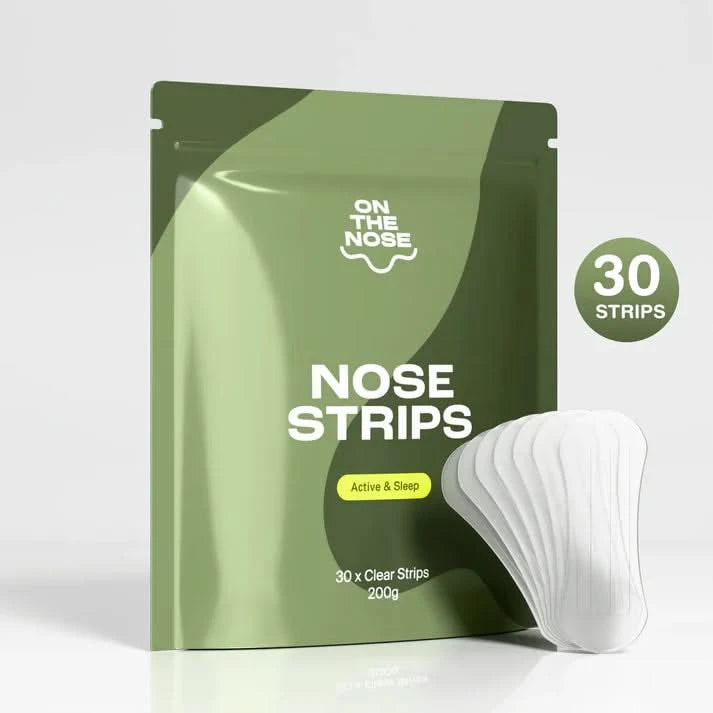
On The Nose Co. Active & Sleep Nose Strips gently support the outer nasal walls for sleep, sport and everyday breathing. Each pack contains 30 hypoallergenic, latex-free strips.
Explore Nose StripsHow can you breathe better through your nose while sleeping?
Nasal congestion often feels worse when you lie down. Body position can make swollen nasal tissues more noticeable, while dust mites, pet allergens, dry air or existing inflammation may contribute overnight.
Helpful bedtime measures may include:
- Using an appropriate saline product before bed.
- Keeping bedding clean and reducing bedroom dust.
- Addressing allergies with professional advice.
- Elevating your head slightly when comfortable.
- Avoiding smoke and strong fragrances near bedtime.
- Using an external nasal strip when front-of-nose narrowing contributes.
Read: Why Is My Nose Blocked When I Lie Down?
Should you use mouth tape to force nasal breathing?
Mouth tape should not be used to force the mouth closed when you cannot breathe comfortably through your nose. Nasal obstruction, significant congestion, breathing difficulties and suspected sleep apnoea should be addressed before considering mouth tape.
Anyone with loud persistent snoring, choking, gasping, witnessed breathing pauses or significant daytime tiredness should seek medical advice.
How can you improve nasal breathing during exercise?
Begin at an intensity where nasal breathing remains comfortable. Walking, warming up and easy aerobic sessions are more suitable places to practise than hard intervals or maximum-effort training.
As exercise intensity increases, your ventilation requirements rise. Switching to combined nose-and-mouth breathing can be a normal response and does not mean your breathing practice has failed.
A gradual approach
- Start with quiet nasal breathing while standing or sitting.
- Practise during slow walking.
- Progress to brisk walking or an easy warm-up.
- Use nasal breathing only while it remains comfortable.
- Allow mouth breathing when exercise demand becomes high.
External nose strips may make the front of the nasal passages feel less restricted, but they should be viewed as an airflow-comfort tool rather than a guaranteed performance enhancer.
Explore the On The Nose Co. Interactive Breathing Lab™ for additional breathing tools and educational experiences.
What should you avoid?
Do not force air through a severely blocked nose
If very little air can pass through your nose, forcing nasal-only breathing may create unnecessary distress. Address the obstruction and breathe comfortably.
Do not overuse decongestant sprays
Some decongestant sprays are intended only for short-term use. Using them longer than directed can lead to rebound congestion. Follow the instructions and ask a pharmacist or doctor when unsure.
Do not assume every blockage can be trained away
Breathing practice may improve awareness and comfort, but it cannot remove structural narrowing or treat every medical cause of nasal obstruction.
When should you see a doctor?
Arrange medical advice when nasal blockage lasts for several weeks, repeatedly affects sleep or exercise, or remains consistently worse on the same side.
Seek assessment sooner if you experience:
- Serious difficulty breathing.
- Persistent one-sided nasal obstruction.
- Repeated or unexplained nosebleeds.
- Blood-stained nasal discharge.
- High or persistent fever.
- Severe facial pain or swelling.
- Swelling around an eye or changes in vision.
- Symptoms following a significant head or nose injury.
- Witnessed breathing pauses, gasping or choking during sleep.
The bottom line
Better nasal breathing begins with making the nasal passages as comfortable and clear as reasonably possible. Saline, allergy management, a cleaner sleeping environment and gentle breathing practice may all help, depending on the cause.
External nasal strips may provide additional support near the front of the nose. However, breathing products should support—not replace—the investigation and treatment of persistent nasal obstruction.
The best approach is gradual, comfortable and based on what is actually limiting your airflow.
Frequently asked questions
How can I train myself to breathe through my nose?
Begin with quiet nasal breathing while sitting or walking slowly. Practise only while it feels comfortable, and address congestion or obstruction rather than forcing the mouth closed.
Why can I not get enough air through my nose?
Possible causes include congestion, allergies, rhinitis, a cold, enlarged nasal tissues, nasal-valve narrowing or a deviated septum. Persistent symptoms should be professionally assessed.
Does nasal breathing increase oxygen?
Nasal breathing conditions and regulates inhaled airflow, but it should not be presented as a guaranteed way to raise blood oxygen in a healthy person. Oxygen levels depend on many respiratory and circulatory factors.
Can saline help me breathe through my nose?
Saline may help remove mucus, allergens and irritants while moisturising dry nasal passages. Follow the product directions and use safe water when performing nasal irrigation.
Do nose strips make nasal breathing easier?
They may make airflow near the front of the nasal passages feel easier by gently supporting the outer nasal walls. Results depend on the location and cause of the restriction.
Should I breathe only through my nose while running?
Nasal breathing may be comfortable during lower-intensity exercise, but combined nose-and-mouth breathing is a normal response as exercise intensity and ventilation needs increase.
Why is nasal breathing harder at night?
Lying down can make swollen nasal tissues and mucus more noticeable. Bedroom allergens, dry air, rhinitis and structural narrowing may also contribute.
Can a deviated septum be fixed with breathing exercises?
No. Breathing exercises cannot straighten a deviated septum. A clinician or ear, nose and throat specialist can assess whether treatment is required.
Is mouth breathing always bad?
Mouth breathing is a normal response during hard exercise or when the nose is temporarily blocked. Habitual mouth breathing at rest or during sleep may indicate nasal obstruction or another issue worth investigating.
When should difficulty breathing through the nose be checked?
Seek advice when symptoms persist for several weeks, remain on one side, affect sleep or exercise, or occur with bleeding, severe pain, fever, facial swelling or breathing pauses during sleep.
References
- Cleveland Clinic. Nose breathing vs mouth breathing. View clinical guidance .
- Cleveland Clinic. Nasal irrigation: uses, benefits and safety. View clinical guidance .
- Frimley Health NHS Foundation Trust. Salt water nasal sprays and rinses. View NHS patient guidance .
- NHS. Non-allergic rhinitis. View NHS guidance .
- Mayo Clinic. Nasal congestion: when to seek medical care. View Mayo Clinic guidance .
- Holden WE, et al. Greater nasal nitric oxide output during inhalation. View the published study .